
Alprazolam Tablets: A Clinical Guide for UK Patients
Medical Disclaimer
This content is for educational and informational purposes only and does not constitute medical advice. You should always consult a fully qualified medical professional or a registered pharmacist before taking any medication, including alprazolam tablets. This guide is not a substitute for professional clinical judgement. Do not disregard medical advice or delay seeking it based on anything you read here.
What is Alprazolam?
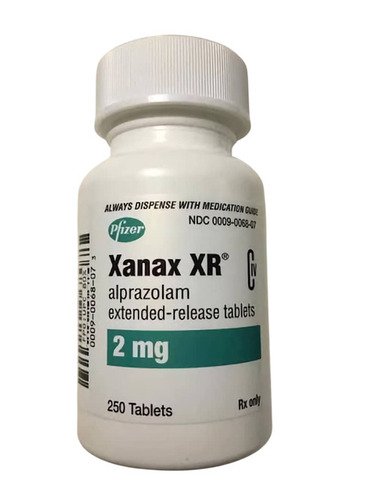
Alprazolam is a potent, short-acting benzodiazepine belonging to the triazolobenzodiazepine class. Alprazolam tablets are typically supplied in strengths of 0.25mg, 0.5mg, 1mg, and 2mg, with the higher strength often formulated as an extended-release version. First patented in 1971 and approved for medical use in 1981, alprazolam is approximately twice as potent as diazepam. A 0.5mg dose of alprazolam produces similar clinical effects to 10mg of diazepam. In the United Kingdom, alprazolam is not commonly prescribed on the NHS due to concerns about dependence and misuse, but it remains available through private prescriptions for specific clinical indications.
Uses of Alprazolam
The primary indications for alprazolam tablets include:
-
Management of generalised anxiety disorder (GAD), characterised by persistent, excessive worry that interferes with daily functioning. Alprazolam may be used for short-term symptom control while longer-acting antidepressants take effect.
-
Panic disorder with or without agoraphobia. Alprazolam is particularly effective due to its rapid absorption, providing relief within thirty to sixty minutes.
-
Short-term relief of severe situational anxiety, such as pre-procedural anxiety before dental or medical interventions.
Alprazolam tablets are intended for short-term use only, typically not exceeding two to four weeks. Prolonged use is discouraged due to the high risk of tolerance and dependence.
Mechanism of Action
Alprazolam enhances the effects of gamma-aminobutyric acid (GABA), the primary inhibitory neurotransmitter in the central nervous system. It binds to specific high-affinity sites on the GABA-A receptor complex on nerve cells. This binding increases the frequency of chloride channel opening, allowing negatively charged chloride ions to flow into the neuron.
The influx of chloride ions hyperpolarises the cell membrane, making the neuron less excitable and more resistant to depolarisation. The result is a widespread reduction in neuronal activity, particularly in brain regions involved in fear, anxiety, and arousal, such as the amygdala, hippocampus, and hypothalamus. Unlike non-benzodiazepine anxiolytics, alprazolam does not significantly affect serotonin or dopamine systems at therapeutic doses.
Dosage
Clinical guidelines for alprazolam tablets emphasise starting with the lowest effective dose. For generalised anxiety disorder, the initial adult dose is typically 0.25mg to 0.5mg taken three times daily. Most patients require no more than 1mg per day in divided doses. For panic disorder, a higher starting dose of 0.5mg three times daily is sometimes used, with gradual titration up to a maximum of 4mg per day for immediate-release tablets.
The extended-release formulation is usually initiated at 0.5mg to 1mg once daily, taken in the morning. Elderly or debilitated patients should receive reduced starting doses of 0.25mg two or three times daily due to increased sensitivity. Patients with hepatic impairment may require significant dose reductions because alprazolam is metabolised in the liver. When discontinuing alprazolam tablets, the dose must be tapered gradually under medical supervision to avoid withdrawal phenomena.
Side Effects
Common side effects of alprazolam tablets include:
-
Dose-related drowsiness, impaired coordination, lightheadedness, and dizziness.
-
Dry mouth, increased salivation, changes in libido, and blurred vision.
-
Less common: confusion, disorientation, memory impairment, and ataxia.
Some patients experience paradoxical reactions such as increased anxiety, agitation, hostility, or rage, particularly those with a history of aggression or borderline personality disorder. Rare but serious effects include jaundice, severe allergic reactions, and blood dyscrasias. Long-term use is associated with cognitive decline, especially in verbal memory and processing speed. If you experience difficulty breathing, swelling of the face or throat, or a severe skin rash, seek emergency medical attention immediately.
UK Legal Status
In the United Kingdom, alprazolam tablets are classified as a Class C controlled substance under the Misuse of Drugs Act 1971. They are listed in Schedule 4, Part I of the Misuse of Drugs Regulations 2001, allowing prescription by a doctor and supply by a pharmacist against a valid prescription. Possession without a prescription is a criminal offence, punishable by up to two years imprisonment and an unlimited fine. Unauthorised supply can result in up to fourteen years imprisonment.
Alprazolam is not routinely prescribed on the NHS; it is available via private prescription from a registered medical practitioner. As a licensed UK supplier of alprazolam tablets, we adhere strictly to all regulatory requirements set by the Medicines and Healthcare products Regulatory Agency and the Home Office.
What to Consider Before Buying Alprazolam
Before considering alprazolam tablets, a thorough medical history review is essential. Key considerations:
-
Severe respiratory insufficiency (COPD, sleep apnoea): do not take alprazolam due to risk of fatal respiratory depression.
-
Liver function: alprazolam is metabolised by hepatic CYP3A4. Impaired function leads to drug accumulation and toxicity.
-
History of substance misuse (alcohol or opioid dependence): relative contraindication.
-
Other contraindications: myasthenia gravis, acute narrow-angle glaucoma, known hypersensitivity to benzodiazepines, pregnancy, and breastfeeding.
Always disclose your full medical history to your prescribing doctor.
How to Safely Buy Alprazolam in the UK
If you are searching for the term buy alprazolam, understand that alprazolam tablets are a prescription-only medicine. You cannot legally buy alprazolam without a valid prescription from a registered UK doctor. Online searches for buy alprazolam often lead to unregulated websites selling counterfeit products that may contain fentanyl, other benzodiazepines, or no active ingredient.
To safely buy alprazolam, you must obtain a private prescription from a doctor following a face-to-face or video consultation. You can then present that prescription to a registered pharmacy, either in person or via a legitimate online pharmacy registered with the General Pharmaceutical Council. As a licensed UK supplier, we only dispense alprazolam tablets against valid prescriptions and after verifying clinical appropriateness.
Alprazolam Price in the UK
The price of alprazolam tablets in the UK has varied over the past three years. Key price points:
-
2023: A 0.25mg tablet cost approximately £0.11, while a 0.5mg tablet cost around £0.28. The 2mg strength ranged from £2 to £6 per tablet, depending on the pharmacy.
-
2024: The NHS prescription charge increased from £9.65 to £9.90 per item, influencing private dispensing fees. Per-tablet costs for generic alprazolam remained stable, but private consultation fees ranged from £30 to £80.
-
2025: Current prices show a 0.5mg tablet at roughly £5 in some areas, though lower elsewhere. The final price includes the private prescription consultation (typically £30-£80), dispensing fee (£15-£30 for 28 tablets), and possible handling fees for controlled drugs. Total cost for a complete private prescription episode is approximately £45 to £110.
Always confirm costs with your prescriber and pharmacist before proceeding.
What Other Medicines Will Affect Alprazolam?
Significant interactions with alprazolam tablets include:
-
Opioids (codeine, morphine, tramadol): profound CNS depression leading to sedation, respiratory depression, coma, and death. This combination is particularly dangerous.
-
Antifungal medications (ketoconazole, itraconazole): inhibit CYP3A4, significantly increasing alprazolam levels.
-
Certain antidepressants (fluvoxamine, nefazodone): also inhibit alprazolam metabolism.
-
Other benzodiazepines, sedative antihistamines, and alcohol: additive sedative effects.
-
Anticonvulsants (carbamazepine): may reduce alprazolam levels.
Always provide a complete list of your current medications to your doctor.
Safety and Risks
The most significant safety risk associated with alprazolam tablets is respiratory depression, particularly when combined with other CNS depressants. This risk is heightened in elderly patients, those with chronic lung disease, and individuals with sleep apnoea. Another major risk is counterfeit medication. Unregulated sources selling alprazolam often provide tablets containing fentanyl, a potent synthetic opioid responsible for thousands of overdose deaths. Counterfeit tablets may also contain other benzodiazepines like etizolam or flualprazolam in unpredictable doses. Never purchase alprazolam from social media, unverified websites, or street sources. Only use registered pharmacies.
Risk of Dependency
Alprazolam tablets carry a high risk of both physical and psychological dependence, even when taken exactly as prescribed. Physical dependence develops within two to four weeks of regular use and is characterised by tolerance. Psychological dependence manifests as an inability to cope with normal anxiety without the medication. Withdrawal from alprazolam is particularly dangerous due to its short half-life, allowing blood levels to drop rapidly. Withdrawal symptoms include rebound anxiety, insomnia, panic attacks, tremors, seizures, and psychosis. Abrupt discontinuation can be life-threatening. Any course of alprazolam lasting longer than two weeks must be tapered under medical supervision, typically reducing the dose by 0.25mg every three to seven days.
What to Avoid While Taking Alprazolam?
You must avoid the following while taking alprazolam tablets:
-
Alcohol: potentiates sedative effects, leading to severe drowsiness, respiratory depression, and loss of consciousness.
-
Operating heavy machinery, driving, or any hazardous task for at least twelve hours after a dose. Driving while impaired is a criminal offence in the UK.
-
Grapefruit juice: inhibits CYP3A4 and can raise alprazolam levels.
-
Stopping alprazolam suddenly: may trigger withdrawal seizures.
-
Sharing your medication with others.
Frequently Asked Questions
What is the half-life of alprazolam tablets?
The elimination half-life of alprazolam ranges from six to twenty-six hours, averaging approximately eleven hours in healthy adults. This relatively short half-life means the drug leaves the body quickly compared to diazepam (half-life up to forty-eight hours). The short half-life contributes to inter-dose withdrawal symptoms and makes tapering more challenging.
What should I do if I miss a dose of alprazolam?
If you miss a dose and are taking alprazolam regularly, take the missed dose as soon as you remember. However, if it is almost time for your next dose, skip the missed dose entirely. Never double the dose. Taking two doses close together increases the risk of excessive sedation and respiratory depression. If you miss multiple doses, contact your doctor before restarting.
Can I travel with alprazolam tablets to other countries?
Travelling with alprazolam requires careful planning. Carry your prescription and a letter from your doctor explaining your medical need. For the United States, alprazolam is a Schedule IV controlled substance, permitted for personal use with a valid prescription. However, some countries in the Middle East and Asia have strict prohibitions against any benzodiazepines. Always check specific import regulations of your destination before travelling. Never post alprazolam to another country, as this constitutes illegal importation.
Is it safe to take alprazolam during pregnancy?
No. Alprazolam tablets should not be used during pregnancy. First-trimester use is associated with an increased risk of cleft lip and palate. Third-trimester use or use during labour can cause floppy infant syndrome, respiratory depression, and withdrawal symptoms in the newborn, including irritability, feeding difficulties, and seizures. If you become pregnant while taking alprazolam, do not stop suddenly. Contact your doctor immediately for a supervised taper.
Reviews
There are no reviews yet.